Sustainable Solutions: Experienced Environmental Guidance for Your Enterprise
Green approaches function as a crucial component in today's business landscape. Expert environmental consulting gives businesses the opportunity to improve operations while lowering their carbon footprint. Through managing environmental footprints and regulatory obligations, professionals guide companies along the path of eco-friendly initiatives. This evolution helps not only the planet but also resonates with the values of green-minded consumers. The journey to becoming sustainable, however, is complex and necessitates detailed analysis of various elements. What actions might companies implement to initiate this shift?
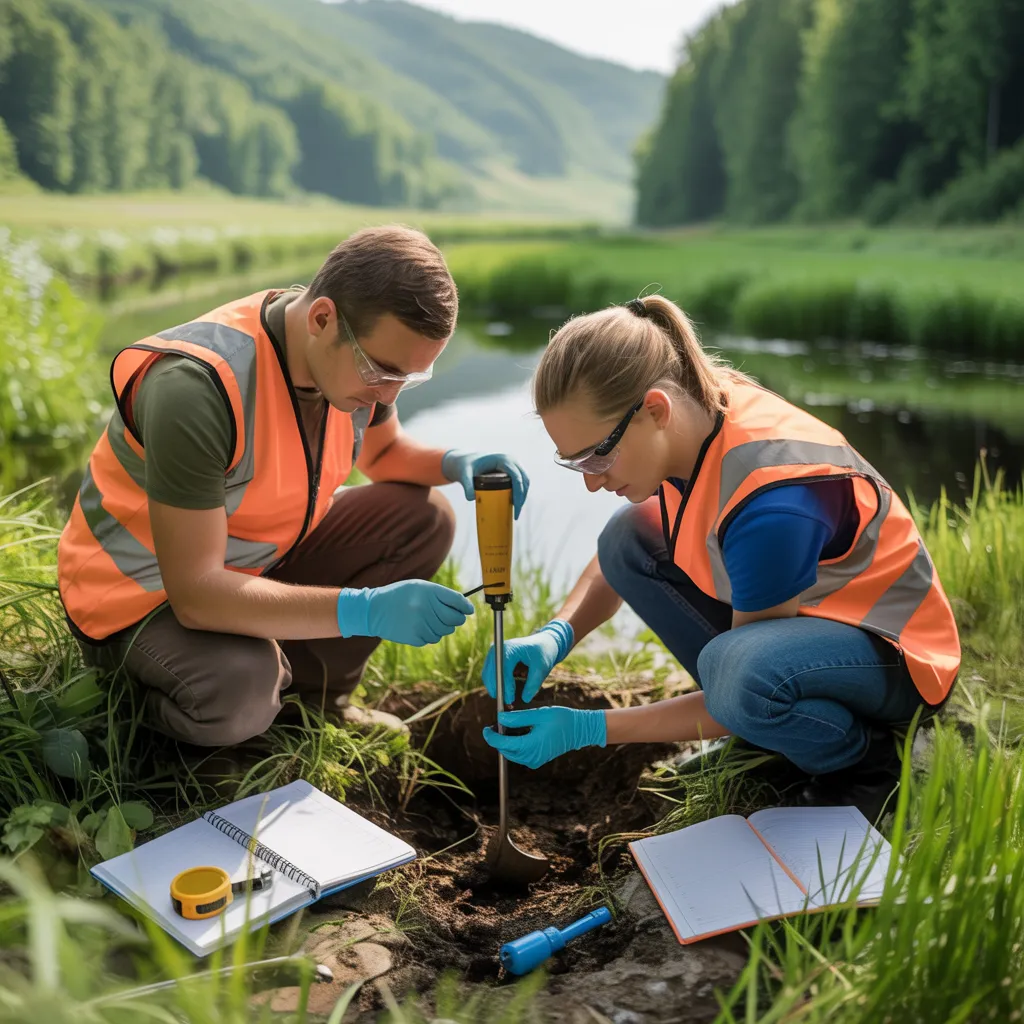
Understanding Environmental Advisory Services and Its Benefits
Grasping environmental consulting is vital for organizations working toward putting into place green operational methods. This sector encompasses expert consultation on sustainability compliance standards, eco-conscious business plans, and resource management. Environmental consultants examine a firm's daily operations to discover areas needing enhancement, confirming adherence to environmental laws and lowering ecological consequences.
The benefits of hiring environmental consultants are significant. They provide tailored solutions that improve operational effectiveness, reduce waste, and decrease costs connected to resource consumption. By evaluating potential environmental risks, consultants help businesses mitigate liabilities and boost public perception. Additionally, the adoption of sustainable practices often generates innovation and competitive edge in the marketplace.
Over the long term, partnering with environmental consultants builds a culture of sustainability within enterprises, prompting employees to adopt environmentally mindful behaviors. By leveraging their expertise, businesses not only contribute to environmental preservation but also establish themselves as leaders in corporate responsibility, drawing in increasingly eco-conscious consumers.
Analyzing Your Environmental Impact
Evaluating a business's environmental footprint involves determining major areas of concern and assessing consumption levels of resources. By examining these elements, organizations can pinpoint where improvements are necessary. This approach not only fosters see now environmental responsibility but also improves efficiency of operations.
Pinpointing Major Result Locations
Many organizations overlook the critical importance of identifying key impact areas when evaluating their ecological impact. By determining particular elements of their activities that contribute to environmental degradation, companies can develop focused approaches for improvement. These impact areas often include power usage, waste production, water use, and emissions. Comprehending these elements allows businesses to prioritize actions that yield the most substantial ecological advantages. In addition, involving stakeholders in this recognition procedure fosters a sustainable culture within the organization. By recognizing and tackling these key critical zones, companies position themselves to enhance their overall ecological responsibility, lower expenses, and meet regulatory requirements. This forward-thinking strategy ultimately promotes long-term ecological and economic viability.
Evaluating Resource Utilization Rates
Once key impact areas are recognized, the next step includes measuring resource consumption rates to evaluate the company's environmental footprint. This process requires an organized method to collect information on energy, water, and material usage across all operations. Utilizing tools such as power assessments, liquid evaluations, and material tracking analysis can provide insights into usage trends. Organizations should also think about creating benchmarks to compare against industry standards or past performance. By examining these metrics, enterprises can pinpoint waste areas and chances to decrease usage. Precise tracking not only helps in adherence with environmental regulations but also enhances corporate sustainability strategies. This data-driven approach is crucial for choosing wisely that support lasting ecological objectives.
Principal Regions for Responsible Business Strategies
Additionally, businesses can fund sustainable energy sources, such as solar or wind, to lower dependence on fossil fuels. Involvement of employees in sustainability initiatives builds a sense of responsibility, encouraging inventive solutions and pledge to green operations. To summarize, candid communication regarding sustainability targets and outcomes boosts trust with investors and demonstrates sense of responsibility. Through merging these essential elements, organizations play a role in ecological protection while also cementing themselves as pioneers in responsible business, drawing in environmentally mindful consumers.
Discovering the Ideal Green Advisor for You
Picking an sustainability expert necessitates a solid grasp of a business's specific needs and goals. Evaluating these demands permits enterprises to connect with consultants who possess the relevant expertise and experience. This strategic approach guarantees that businesses decide wisely for sustainable solutions.
Examining Your Firm Objectives
When enterprises recognize the importance of green practices, they often face the challenge of identifying the right ecological advisor to meet their unique requirements. This journey begins with a thorough assessment of the institution's sustainability priorities, legal mandates, and existing practices. Companies should consider their market segment, operational scale, and unique difficulties, like refuse handling or energy efficiency. Engaging various stakeholders within the organization can provide valuable insights into the strategic priorities and stakeholder expectations of the professional advisory. Additionally, it is vital to define the scope of services sought, including but not limited to regulatory adherence, tactical planning, or skill development. By specifically stating these needs, businesses can streamline the procurement process and guarantee a more effective working relationship with their chosen expert.
Assessing Consultant Competence
How can firms verify they select the suitable environmental advisor? Analyzing consultant knowledge demands multiple critical points. Initially, organizations should evaluate the consultant's credentials, incorporating appropriate qualifications, training, and track record in particular environmental sectors. Subsequently, inspecting previous engagements and client endorsements offers insight into the consultant's performance and dependability. In addition, understanding their framework to environmental responsibility—whether they highlight innovative methods or legal compliance—is essential. Interpersonal abilities also fulfill a key part; a consultant must explicitly communicate difficult information to different interested parties. Ultimately, take into account the consultant's commitment to continuous learning and remaining informed on environmental requirements and breakthroughs. Through carefully reviewing these components, ventures can reach well-considered choices and pick a consultant best suited to their distinctive goals.
Design Your Customized Sustainability Strategy
A strategically designed sustainability strategy has the ability to greatly advance a company's environmental impact and organizational productivity. This initiative starts with a comprehensive assessment of the business's current practices, pinpointing areas where optimizations can be made. Essential contributors should be involved in this assessment to ensure varied viewpoints are reviewed.
Following this, specific, measurable objectives need to be established. These objectives should align with the broader aims of the organization while confronting environmental concerns such as reducing waste, energy efficiency, and resource conservation.
In addition, it is imperative to establish innovative solutions focused on the unique challenges of the industry. Liaising with proficient environmental professionals can communicate valuable insights into best practices and next-generation innovations.
In conclusion, a structured communication framework can promote a sustainability culture within the organization, making sure that all employees recognize their functions in reaching these goals. This integrated approach ultimately places the business as a leader in environmental responsibility.
Deploying Green Strategies Efficiently
Effective deployment of sustainable solutions demands a well-planned strategy that emphasizes transparent goals and direction. Businesses must first establish clear objectives, pinpointing particular environmental commitments in line with their overall mission. This involves involving stakeholders, including employees and suppliers, to cultivate a culture of sustainability throughout the organization.
Next, organizations should allocate resources efficiently, guaranteeing that the required digital solutions, instruction, and equipment are established to promote environmentally responsible operations. Regular communication is essential, as it keeps all parties aware and motivated.
Additionally, integrating eco-friendly practices into current operations can improve productivity and minimize opposition to transformation. By piloting initiatives, businesses can evaluate feasibility and implement modifications before full-scale implementation.
Ultimately, a committed leadership group, aligned with straightforward procedures and regular involvement, can significantly enhance the effectiveness of environmental solutions, delivering sustained advantages for both the organization and the natural surroundings.
Following Your Green Initiatives
What methods can entities deploy to track their sustainability headway productively? Companies can utilize a variety of systems and metrics to measure their environmental consequences and strides. One common avenue is the adoption of key performance indicators that focus on energy expenditure, waste reduction, and emissions levels. By setting up clear benchmarks, businesses can assess their improvements over time.
In addition, digital solutions that observe resource consumption and carbon emissions can provide up-to-the-minute insights, enabling clearer judgment. Routine sustainability audits also play an essential role, allowing enterprises to identify areas for enhancement and maintain conformity with regulatory requirements.
Engaging interested parties with feedback surveys and input systems can further strengthen the assessment process, fostering a ethic of responsibility and constant betterment. Ultimately, a systematic approach to monitoring ecological advancement empowers firms to make informed adjustments and confirm their commitment to environmental stewardship.
Often Requested Questions
How Much Does Environmental Consulting Usually Price for Companies?
Environmental advisory costs for businesses typically range from $100 to $300 per hour, depending on the firm's experience and complexity of the project. Project-based pricing may also apply, varying based on specific services required and duration.
What Certifications Do I Seek out in an Environmental Professional?
In selecting an environmental consultant, one must seek certifications such as Certified Environmental Professional (CEP), ISO 14001, or LEED accreditation, as these reveal expertise and dedication to sustainable practices within environmental management.
Are Small Businesses Capable of Profiting From Environmental Consulting Services?
Yes, small businesses can meaningfully gain advantage from environmental consulting services. These services help optimize resource use, minimize waste, ensure compliance with regulations, and advance comprehensive sustainability, ultimately creating financial benefits and a enhanced corporate reputation.
How Much Should I Change My Sustainability Strategy?
Updating a environmental plan should happen annually or biannually, based on industry changes and business expansion. Regular assessments guarantee consistency with evolving regulations, investor demands, and technological advancements, promoting ongoing development and improved ecological outcomes.
What Industries Benefit the Greatest From Environmental Consulting?
Industries like manufacturing, construction, energy, and agriculture receive significant benefits from environmental advisory services. These sectors often face regulatory hurdles, resource allocation problems, and environmental objectives that need skilled direction to improve their green performance and compliance.